
Making space for you — so you can keep making a difference for others.

ABOUT
Who I am
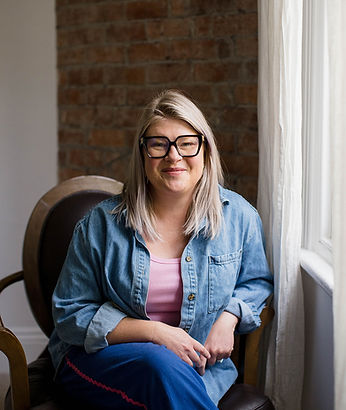
Hi, I’m Katie — an occupational therapist, supervisor, and someone who knows what it feels like to be doing your best… and still wondering if you're doing it 'right'.
I’ve been an OT for over 15 years, working across hospitals, injury management, disability, private practice, and community settings. These days, I’m most at home supporting young people, neurodivergent clients, and fellow OTs who want to practice in ways that feel purposeful, regulated, and real.
What Matters to Me in Practice
I’ve always been drawn to the quieter layers of practice — things like identity, sensory processing, emotional regulation, and the invisible load that often sits underneath it all. And over time, I’ve realised how much those same threads show up in our experience as therapists.
Colleagues and supervisees often describe me as warm, kind, and grounded — with a good sense of humour and a safe, reflective presence. I believe supervision should be a space where you can tell the truth, take a breath, and feel more like yourself by the end of the hour.

Outside the Therapy Room
Outside of work, I’m a mum to two primary schoolers and start most days with a quiet walk (and a coffee) before the house wakes up. I try to practice what I preach when it comes to balancing work, life, and rest — not everything has to be urgent.
I also play music — mostly for joy — and find it’s shaped the way I approach rhythm, regulation, and attunement in both therapy and supervision. There’s something about the feel of music that reminds me we don’t always need more information — sometimes we just need to reconnect with our own pace.
I believe supervision should be a space where you can tell the truth, take a breath, and feel more like yourself by the end of the hour.
Why I offer supervision
I started offering supervision because I love connecting with other therapists — and I quickly realised that those conversations were some of the most energising parts of my week.
Early on, I was supervising a lot of early-career OTs within my own business, and I kept noticing how much growth and clarity could happen in those spaces — not just for them, but for me too. Supervision is a collaborative process, and I still find myself learning every time. It’s reflective, relational, and incredibly powerful.
What Supervision Means to Me
In many ways, I see supervision as one of the most upstream things I can do as a therapist. Supporting another OT to grow in confidence, problem-solve well, and make thoughtful decisions — that has a ripple effect I’ll never fully see, but I know it matters.
Some of my favourite supervision moments are when a supervisee comes in feeling stuck, and slowly realises they already know what to do — they just needed space, reflection, and support to get there.
Watching someone walk out feeling clearer and more confident in themselves always feels like a quiet win.
What I wish I'd Known
Looking back, I wish I’d known earlier in my own career that supervision could be such a safe, flexible, and respectful space. Somewhere I could bring the messy, in-progress parts of my work and not feel like I had to have it all figured out. I also wish I’d had access to some of the learning models I now use, which have helped me and others make sense of tricky dynamics in grounded, practical ways.
When someone finishes a session with me, my hope is that they leave feeling:
CONFIDENT
READY TO TAKE A NEXT STEP THAT FEELS RIGHT FOR THEM
CLEARER AND LIGHTER
WITH LESS MENTAL LOAD AND MORE DIRECTION
SAFE AND SUPPORTED
LIKE THEY WERE MET WHERE THEY'RE AT

And just quietly...feeling a little more like themselves again...
Supervision should be a space that feels both grounding and expansive — a place where you can press pause, get curious, and build trust in your own process.
My approach is built on the belief that psychological safety and reflective practice are the foundations for any kind of meaningful growth. Together, we check in on your current learning goals, explore the edges of your confidence, and make space for both the messy questions and the practical next steps.
I often draw on tools and models to help bring structure to what can sometimes feel like a swirl of thoughts. Some of the ones that come up often include:
-
Honey & Mumford learning styles
-
Johari’s Window
-
Self-assessed competency levels — from unconscious incompetence to reflective competence
-
Above and below the line thinking
-
The GROW coaching model
-
Essentialism — making space for what really matters
-
My own competency matrix and supervision tools developed over time
That said, supervision isn’t about ticking boxes. These tools are just that — tools. The real work happens in conversation: slowing down, tuning in, and making space for clarity.
A good session often starts with a check-in — a kind of “temperature read” on where you’re at. It works best when you’ve had a few minutes to think about what you want to get out of it.
From there, we might dig into a tricky situation, unpack a pattern, or explore a new area you’re building confidence in.
I tailor supervision based on where you are at — not just in your career, but in any given area of practice. Sometimes that means diving into reflective work. Other times, it’s about getting straight to practical problem-solving. Both are valid. Both are needed. And both can sit side-by-side within the same session.
Wherever you are in your OT journey, supervision can help you stay grounded, keep growing, and work in a way that feels aligned with who you are — and how you want to show up.

Is This the Right Fit?
Supervision with me tends to work best when there’s real connection — not just a scheduled session, but a sense of genuine partnership. I love working with therapists who are based in small teams or community settings, or who are navigating private practice in a way that can feel a little isolating at times.
If you’re someone who wants supervision that’s personal, collaborative, and reflective (not just another checkbox in a big system), there’s a good chance we’ll work well together. I care a lot about this work, and I also want supervision to feel energising and meaningful for both of us — not just another task on the calendar.
I’m not the right fit if you’re looking for performance management, or if supervision is being offered in a way that doesn’t allow for regular connection or rapport-building. This isn’t therapy — but it is a space for deep learning, reflection, and support. That kind of growth needs consistency and safety to really take root.
If you’re on the fence, the best place to start is with a conversation.
You might even like to take a few minutes to reflect beforehand:
-
What’s going well in your practice right now?
-
Where are you feeling stuck, unsure, or disconnected?
-
What feels worth keeping — and what feels ready to shift?
You don’t need to be burnt out to benefit from supervision. Often, the signs show up in smaller ways:
-
Feeling a bit resentful after a workday
-
Lacking a sounding board for ideas or dilemmas
-
Feeling adrift or unanchored in your practice
-
Wanting to stay aligned with your values, but not sure how

If any of that resonates, it might be time to carve out some space for yourself — to reconnect, reflect, and keep growing in a way that actually feels good.